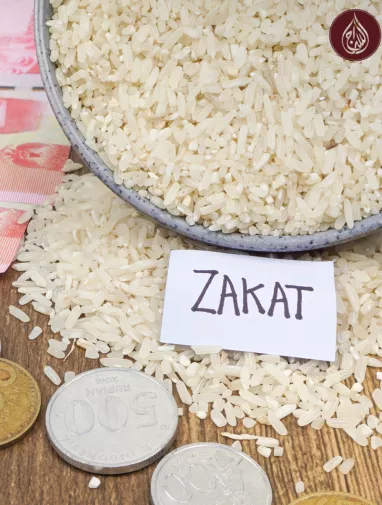
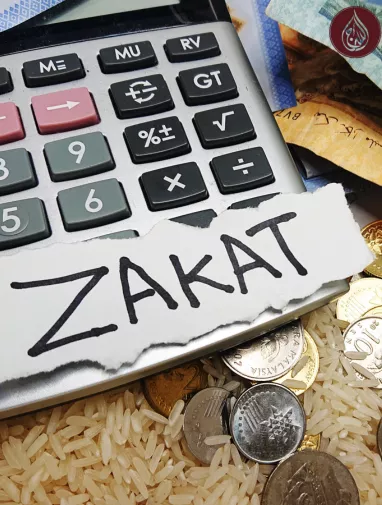
Zakat is one of the Five Pillars of Islam, serving as a fundamental practice of charity that purifies wealth and aids those in need. Each Muslim is obligated to pay Zakat on their Zakatable assets, such as cash, savings, gold, silver, and investments. However, many people find it difficult to determine how much is Zakat without proper guidance. This is where a Zakat calculator becomes essential.
It helps simplify the Zakat calculation process, making it easier to accurately determine how much Zakat is due based on your assets. In 2026, understanding the Zakat percentage (2.5%), the Nisab threshold, and the effect of liabilities on your wealth is key. With the help of a Zakat calculator, you can easily ensure you’re paying the correct amount. At As-Siraj Charity, we provide reliable tools to help you calculate and fulfill your Zakat obligation effortlessly.
Understanding Zakat: A Pillar of Islam and Its Importance for Charity
Zakat is an obligatory form of charity in Islam. It helps redistribute wealth from the rich to the poor, reducing inequality in society. Muslims are required to pay 2.5% of their Zakatable assets once they meet the Nisab threshold. This threshold represents the minimum wealth a Muslim must possess before Zakat is due.
Paying Zakat is a way of purifying one’s wealth. It is considered a form of worship, bringing spiritual benefits and a sense of responsibility towards those in need. Zakat isn’t just for the wealthy; it applies to anyone who meets the Zakat eligibility criteria. For Muslims in the UK, using a Zakat calculator can simplify this process.
What is Nisab? Understanding the Threshold for Zakat
The Nisab is the minimum amount of wealth a Muslim must have before they are required to pay Zakat. This amount is based on the value of gold or silver. If your wealth reaches or exceeds this Nisab threshold, then you must pay Zakat. In 2026, the Nisab is often calculated based on the current value of gold and silver.
If your Zakatable assets fall below the Nisab, then you do not need to pay Zakat. It’s important to note that the Nisab changes according to the price of gold and silver. Muslims should always check the current Nisab rates before making their Zakat payments. As-Siraj Charity provides updates on the Nisab rate, making it easier for you to stay informed.
How Zakat is Calculated: A Step-by-Step Guide for 2026
The Zakat calculation process for 2026 is simple but requires attention to detail. First, identify your Zakatable assets, which can include cash, savings, investments, business assets, and gold and silver. Then, subtract any deductible liabilities, such as debts and overdue payments.
After you’ve determined your net assets, the next step is to calculate 2.5% of the total value. This is the amount of Zakat you owe. For example, if your assets are worth £5,000, your Zakat would be £125. You can use an online Zakat calculator to easily determine the amount you owe.
Zakat on Income vs. Savings: What You Need to Know
When it comes to Zakat on income, it is important to note that income from wages or salary is subject to Zakat if it meets the Nisab threshold. Zakat on savings, however, is calculated differently. If you have saved money over a lunar year, Zakat is due on the amount that has remained in your possession for at least one full year.
Zakat on savings is based on the total value of your savings account after deducting any necessary expenses. You only pay Zakat on the savings that exceed the Nisab. If your cash holdings are below the Nisab, you do not owe Zakat on them. As-Siraj Charity provides detailed guidance on how to manage Zakat on savings for better clarity.
Zakat Calculator: A Tool to Simplify Your Calculation Process
The Zakat calculator is a practical tool that simplifies the Zakat calculation process. It helps you determine the exact amount of Zakat you owe based on your Zakatable wealth. By entering your assets and liabilities into the calculator, you can get an accurate estimate of your Zakat payment.
For Muslims in the UK, using a Zakat calculator UK is especially beneficial because it takes into account the local currency and current gold and silver nisab rates. Zakat calculators are available online, including on the As-Siraj Charity website, making it easier for you to fulfill your religious obligations.
How Much is Zakat in 2026? Key Figures and Percentages
The Zakat percentage is set at 2.5% of your Zakatable assets once they meet the Nisab threshold. This percentage applies to various types of assets, including cash, gold, silver, and business assets. In 2026, you will need to calculate Zakat on investments and Zakat on debts owed based on the total value of your wealth.
Understanding Zakat 2025 rates and the Nisab threshold for the year is crucial for accurate Zakat calculation. In addition to this, Muslims should factor in any Zakat on overdue payments or debts owed.
How to Calculate Zakat on Cash and Savings
Calculating Zakat on cash and Zakat on savings is straightforward but requires accurate record-keeping. First, determine the total amount of cash holdings and savings you have. This includes any money in your bank accounts, investments, or any form of liquid wealth.
Once you know your total, subtract any deductible liabilities, such as loans or credit card debts. If your net assets exceed the Nisab threshold, you must pay Zakat. Zakat on savings is calculated as 2.5% of the amount that remains after deducting liabilities.
Zakat and Debts: Understanding How Liabilities Impact Your Payment
Zakat and liabilities go hand in hand. If you have outstanding debts, these can reduce the total value of your Zakatable assets. The Zakat debt calculation allows you to subtract any deductible liabilities from your assets before calculating Zakat.
For example, if you owe £1,000 in debts and your total wealth is £5,000, your Zakatable assets would be £4,000. From there, you would pay Zakat on 2.5% of £4,000, which would amount to £100. It is essential to keep track of your Zakat liabilities to avoid paying more than what is due.
Zakat Scholar: Expert Advice on Fulfilling Your Obligation
A Zakat scholar is someone who provides expert advice on the proper calculation and payment of Zakat. If you’re unsure about how to calculate your Zakat, it’s best to consult an expert. Zakat scholars are available through various organizations, including As-Siraj Charity.
Zakat scholars can guide you on Zakat on investments and business assets, ensuring you meet your Zakat eligibility while staying true to Islamic principles. They can also clarify complex situations such as Zakat on overdue payments or Zakat on debts owed.
Zakat and Tax in the UK: Understanding the Legal Implications
In the UK, Zakat and taxes are separate. While Zakat is a religious obligation, taxes are imposed by the government. Zakat is not tax-deductible in the same way charitable donations are. However, Muslims in the UK can still make Zakat payments in addition to fulfilling their tax responsibilities.
Understanding the legal implications of Zakat and tax is crucial for compliance with both religious and governmental obligations. As-Siraj Charity provides useful information on how to navigate these areas.
Zakat Resources: Tools and Guidance for Accurate Payments
For Muslims in the UK, there are numerous Zakat resources available to help with accurate Zakat payments. These resources include online Zakat calculators, guides, and expert consultations. As-Siraj Charity offers a reliable Zakat calculator, helping Muslims calculate their Zakat on wealth with ease.
In addition to using the Zakat calculator, Muslims should also be aware of Zakat al-Fitr and its calculation. As-Siraj Charity provides comprehensive resources to ensure that you meet your Zakat due date and are fulfilling your Zakat obligation in the most efficient way possible.
FAQs About Zakat and Zakat Calculator
How much is Zakat?
Zakat is calculated as 2.5% of your Zakatable assets once they exceed the Nisab threshold. This includes cash, savings, gold, silver, and investments.
What is the Nisab threshold?
The Nisab threshold is the minimum amount of wealth a Muslim must have before paying Zakat. It is usually calculated based on the value of gold or silver.
Can I use a Zakat calculator for accurate payments?
Yes, a Zakat calculator simplifies the Zakat calculation process by determining the exact amount you owe based on your Zakatable assets and liabilities.
Do debts affect Zakat calculation?
Yes, debts are subtracted from your Zakatable wealth. You only pay Zakat on your net assets after deducting liabilities such as loans or credit card debt.
How do I calculate Zakat on savings?
To calculate Zakat on savings, subtract any necessary deductible liabilities from your savings, then apply 2.5% on the remaining amount, provided it meets the Nisab threshold.
Conclusion: Fulfilling Your Zakat Obligation with Ease
Paying Zakat is an essential part of being a Muslim and helps promote social welfare by redistributing wealth. By understanding the Zakat calculation process and using tools like the Zakat calculator, you can easily meet your Zakat obligation. As-Siraj Charity provides valuable guidance and resources to help Muslims in the UK accurately calculate and donate their Zakat.
Visit As-Siraj Charity for further information and assistance on how to fulfill your Zakat obligations today.