Celebrating Eid is a joyous occasion for Muslims worldwide, marking the end of the holy month of Ramadan. It is a time of spiritual reflection, gratitude, and community. In the UK, Muslims eagerly anticipate the arrival of Eid al-Fitr as it symbolizes the completion of fasting and the beginning of celebrations filled with prayers, food, and charity. As we look ahead to 2026, many are asking, “When is Eid al-Fitr 2026 UK?”
The answer to this question depends on the sighting of the crescent moon, a key element in determining the start of Shawwal. Eid al-Fitr in 2026 will bring together families, friends, and communities for an occasion of joy, charity, and spiritual renewal. In this article, we will explore the meaning of Eid al-Fitr, its significance, and how it will be celebrated in the UK, with a special focus on As-Siraj Charity’s efforts during this festive time.
Eid al-Fitr: A Celebration of Faith and Unity
Eid al-Fitr is a day of joy and gratitude for Muslims around the world. It comes at the end of Ramadan, a month-long period of fasting, prayer, and reflection. Eid al-Fitr, often called the Festival of Breaking the Fast, symbolizes the spiritual and physical purification that fasting during Ramadan brings. Muslims fast from dawn to sunset, refraining from food, drink, and other physical needs, which allows them to deepen their faith and practice self-discipline.
In the UK, Eid al-Fitr brings Muslims together to celebrate with their families and communities. It is a time for reflection on the lessons learned during Ramadan, as well as an opportunity to show gratitude for the strength to complete the fast. The day fosters unity, as families gather, communities come together, and Muslims help the less fortunate by giving Zakat (charity).
What Does Eid al-Fitr Mean?
Eid al-Fitr translates to the “Festival of Breaking the Fast” in Arabic. The term Fitr refers to breaking the fast, and Eid means celebration or festival. This holiday marks the end of Ramadan, the holy month of fasting. It is a day of celebration, where Muslims give thanks to Allah for the strength to endure the fasting period and seek forgiveness for past sins.
The Eid al-Fitr festival is also a reminder to reflect on the deeper meanings of fasting. It’s a time to think about spiritual growth, discipline, and the importance of self-reflection. It is a celebration of faith, spiritual reflection, and unity within the Muslim community. It also signifies the beginning of the month of Shawwal, the month that follows Ramadan.
Why is Eid al-Fitr Celebrated?
Eid al-Fitr is celebrated as a reward for the successful completion of Ramadan. During Ramadan, Muslims fast from dawn to dusk, refraining from food, drink, and sinful behavior. The fast serves to purify the body and soul, allowing Muslims to get closer to Allah through prayer and reflection. Eid al-Fitr marks the end of this period and is a time to celebrate the completion of this spiritual journey.
The celebration also has a communal aspect. It is a time when Muslims come together, thank Allah, and share their blessings with those in need. The Eid al-Fitr prayer is a significant part of the celebrations, where Muslims gather in large congregations to pray and listen to Eid sermons. Zakat al-Fitr, a form of charity, is another key element, ensuring that no one is left out of the celebrations.
When is Eid al-Fitr 2026 in the UK?
The date of Eid al-Fitr 2026 depends on the sighting of the crescent moon, which marks the beginning of the Shawwal month. According to the Islamic calendar, Eid al-Fitr 2026 will likely be on Friday, May 1, 2026, in the UK, but the exact date may vary depending on the moon sighting in different regions.
In the UK, Muslim communities follow the crescent moon sighting to determine the exact day of Eid. The local mosques and Islamic centers will announce the official date closer to the time. This practice of moon sighting is important because it connects Muslims around the world, all celebrating on the same day after the end of fasting.
Preparing for Eid al-Fitr 2026
The preparation for Eid al-Fitr 2026 begins well in advance. For many, Eid shopping is an exciting part of the festivities. This includes purchasing Eid attire, new clothes, and gifts for family and friends. In the UK, many Muslims like to buy special clothes for the occasion, including traditional attire such as jilbab, abaya, or thobes.
In addition to buying new clothes, Eid food plays a crucial role in the celebration. The day is filled with delicious meals, sweets, and special dishes that are shared with family, friends, and neighbors. Muslims also prepare for Eid al-Fitr by paying Zakat al-Fitr (a form of charity), which helps those in need join in the festivities, regardless of their financial situation. Zakat al-Fitr ensures that everyone can enjoy the celebration and strengthens the spirit of giving.
Ways to Celebrate Eid al-Fitr
Eid al-Fitr is celebrated in many different ways, depending on cultural backgrounds and family traditions. However, some practices are universal. One of the most important customs is the Eid prayer, which is offered at mosques or open fields. Muslims gather early in the morning for the prayer, wearing their finest clothes and exchanging Eid greetings. It is a time of spiritual reflection and gratitude to Allah for the strength to complete Ramadan.
After the Eid prayer, the rest of the day is spent visiting family, friends, and neighbors. People often exchange gifts, share meals, and take part in community events. For many, Eid al-Fitr is also a time for charitable giving, as Muslims contribute to organizations like Muslim Aid and help those less fortunate. It’s a time for fun, but it’s also a time for spiritual renewal and a reminder of the importance of Zakat and other forms of charity.
How Do Muslims Celebrate Eid?
Muslims celebrate Eid al-Fitr with a variety of customs and practices. The first act of celebration is the Eid prayer. After fasting during Ramadan, Muslims gather in large groups for the special Eid prayer. The prayer is often held in mosques or open spaces and is followed by a sermon. During this time, Muslims express their gratitude to Allah and ask for forgiveness for their sins.
After the prayer, Muslims visit friends and family, share meals, and give gifts. Eid gifts and sweets, such as baklava, samosas, and maamoul, are exchanged to bring joy and happiness. The day is filled with laughter, love, and remembrance of the Prophet Muhammad (PBUH). Eid al-Fitr also marks the beginning of the Shawwal month, a time for continued spiritual growth and reflection.
The Importance of Zakat al-Fitr: How to Contribute?
Zakat al-Fitr, also known as Fitrana, is a key element of Eid al-Fitr. This charity is mandatory for all Muslims who have the financial means to pay it. The purpose of Zakat al-Fitr is to purify the fasting person’s soul and ensure that everyone, regardless of their financial situation, can partake in the Eid celebrations.
In the UK, the amount of Zakat al-Fitr is typically calculated based on the local cost of staple foods. It must be given before the Eid prayer to ensure its effectiveness. By paying Zakat al-Fitr, Muslims help support the less fortunate and strengthen the sense of community during Eid. It also serves as a reminder of the importance of charity in Islamic tradition.
Zakat al-Fitr: What You Need to Know
Zakat al-Fitr is distinct from regular Zakat. While Zakat is an obligatory charity that Muslims are required to give annually, Zakat al-Fitr is specifically tied to Eid al-Fitr. It is meant to purify the fast and ensure that everyone can experience the joy of Eid. The charity is typically given in the form of food or money, depending on the local customs.
The payment of Zakat al-Fitr is an important aspect of Eid al-Fitr, as it highlights the Islamic values of generosity and compassion. In the UK, various organizations and mosques make it easy to contribute to Zakat al-Fitr, ensuring that the less fortunate can benefit from the blessings of the season. It is a tangible expression of the Eid spirit of giving and unity.
When is Eid Prayer 2026?
Eid prayer for Eid al-Fitr 2026 in the UK will likely be on May 1, 2026, depending on the moon sighting. The Eid prayer is performed in congregation, with Muslims offering a special prayer to mark the beginning of Eid. It is a significant moment, where Muslims gather in large groups to express their gratitude to Allah.
The Eid prayer is one of the most important rituals during Eid al-Fitr. It is performed after the Fajr prayer and before Zakat al-Fitr. Muslims who are unable to attend the congregational prayer are encouraged to perform it at home. The prayer brings together the community and marks the start of the Eid celebrations.
Celebrating Eid with the UK Islamic Mission & As-Siraj Charity
In the UK, organizations like As-Siraj Charity play a vital role in organizing Eid al-Fitr events. They offer a platform for Muslims to come together, celebrate, and support one another. These organizations often arrange community events, meals, and charity drives during Eid.
As-Siraj Charity also works to ensure that Zakat al-Fitr reaches those in need. Their efforts help foster a sense of unity and solidarity during Eid. By contributing to Muslim Aid and other similar organizations, Muslims in the UK can help those less fortunate and make their Eid celebrations even more meaningful.
FAQ about Eid ul Fitr 2026
- How date is Ramadan 2026?
Ramadan in 2026 is expected to begin on Tuesday, February 17 and will end on Thursday, March 19, depending on the crescent moon sighting. - How many days off for Eid al-Fitr 2026?
In the UK, Eid al-Fitr 2026 will be celebrated on May 1, 2026, and typically Muslims enjoy 1-2 days off for the festival, depending on workplace policies. - How long is Eid al-Adha 2026?
Eid al-Adha 2026 will likely begin on Tuesday, July 28, 2026, and will last for about 3-4 days, including the main holiday and celebrations. - What time is Ramadan in 2026?
In 2026, Ramadan will start at dawn on February 17 and end at sunset on March 19, with fasting from dawn to dusk each day. - How can I contribute to charity during Eid?
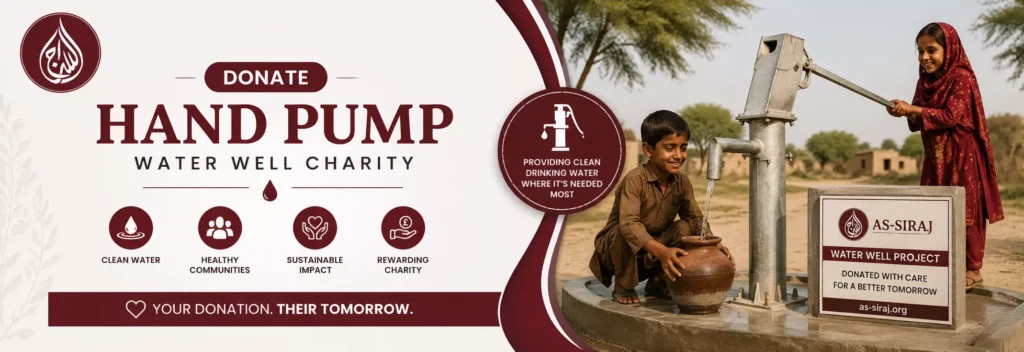
As-Siraj Charity provides an excellent opportunity for Muslims to give during Eid al-Fitr through Zakat al-Fitr and other charitable donations, ensuring those in need are included in the celebrations.
Eid: A Time for Giving and Charity
Eid al-Fitr is more than just a time for celebration; it is a time for giving. Charity is an essential aspect of Eid al-Fitr 2026, and Muslims are encouraged to give generously during this time. Whether through Zakat al-Fitr, donations to local charities, or supporting those in need within the community, Eid emphasizes the importance of helping others.
The act of giving during Eid is a way of showing gratitude to Allah and fulfilling one of the key tenets of Islamic tradition. Charity during Eid is a reminder that true happiness comes not from material possessions but from giving and helping others in need. It is a time for spiritual reflection, unity, and the joy of giving back.