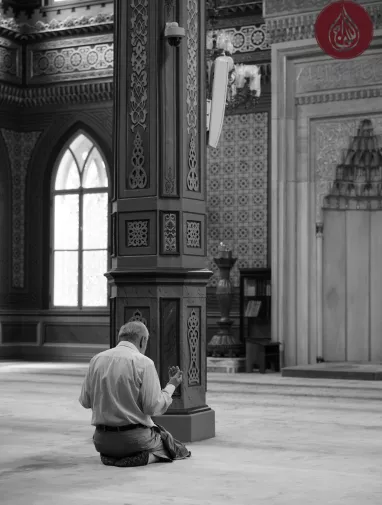
Seeking forgiveness and turning back to Allah is one of the most important acts in a believer’s life. In Islam, a powerful dua for forgiveness and repentance is more than just words. It is a sincere heart, a humble soul, and a firm commitment to stop sinning. The act of asking Allah for forgiveness brings spiritual peace, guidance, and strength to live a righteous life. Through this article, you will learn how dua for repentance works, the meaning of tawbah in Islam, and how As-Siraj inspires Muslims in the UK to connect with Allah’s mercy and forgiveness.
This article will guide you through the best dua for forgiveness, when to recite it, and how to perform sincere tawbah. Every believer in the UK or anywhere in the world can benefit from these teachings to find spiritual peace, strengthen faith, and achieve Allah’s blessings in daily life.
What Is a Powerful Dua for Forgiveness and Repentance?
A powerful dua for forgiveness and repentance is a heartfelt Islamic prayer that seeks to cleanse the soul of sins. It is not just the words that matter but the sincerity behind them. The forgiveness of sins in Islam is a way to heal the heart and improve one’s relationship with Allah. Every believer who recites a powerful dua for forgiveness with a sincere heart can experience emotional relief and spiritual peace.
In the UK, where life can be fast and distracting, performing daily dua for forgiveness can serve as a reminder of Allah’s mercy and forgiveness. It is a practice that strengthens faith, teaches humility, and nurtures a mindset focused on repentance in Islam. By reciting dua for sins regularly, a believer gains the ability to resist temptation, stay connected to Quran and Sunnah, and maintain a life filled with guidance and blessings.
Why Seeking Allah’s Forgiveness Is Important in Islam
Seeking forgiveness in Islam is not merely a ritual. It is a means to achieve Allah’s mercy, purify the soul, and avoid the burden of sins. The Quran states that Allah forgives all sins for those who sincerely repent. In Hadith, the Prophet Muhammad (PBUH) encouraged Muslims to say Astaghfirullah frequently. This Astaghfirullah dua serves as a direct way to ask Allah for forgiveness, seek mercy, and strengthen faith.
Regularly asking Allah for forgiveness helps believers maintain spiritual peace and live a life closer to Quran and Sunnah. Muslims in the UK can combine morning and evening duas with other daily prayers to make sincere tawbah part of their routine. The act of reciting dua for mercy and forgiveness encourages reflection on one’s actions and motivates positive change in behavior.
The True Meaning of Tawbah and Repentance
Tawbah in Islam is the act of turning back to Allah after committing a sin. True repentance in Islam requires three things: sincere regret, immediate cessation of the sin, and a firm promise not to repeat it. A sincere heart is essential when performing repentance prayer. Without honesty and humility, even repeated dua for repentance may not be accepted.
The Prophet Muhammad (PBUH) said that Allah’s mercy and forgiveness are boundless. No matter the size of the sin, a believer who performs sincere tawbah and recites powerful dua for forgiveness can cleanse the soul. Tawbah strengthens faith, improves spiritual peace, and reminds Muslims that Allah forgives all sins.
Powerful Dua for Forgiveness in Arabic, English, and Translation
One of the most effective Islamic dua for forgiveness is Sayyidul Istighfar, which is considered the master supplication for seeking Allah’s mercy and forgiveness. Here is a simple guide for reciting it:
| Format | Example |
| Arabic dua | اللهم أنت ربي لا إله إلا أنت، خلقتني وأنا عبدك، وأنا على عهدك ووعدك ما استطعت، أعوذ بك من شر ما صنعت، أبوء لك بنعمتك علي وأبوء بذنبي، فاغفر لي فإنه لا يغفر الذنوب إلا أنت |
| Transliteration | Allahumma anta Rabbi la ilaha illa anta, khalaqtani wa ana ‘abduka… faghfir li fa innahu la yaghfiru adh-dhunuba illa anta |
| English translation | O Allah, You are my Lord, there is no god but You. You created me and I am Your servant… Forgive me, for no one forgives sins except You. |
Other powerful duas for forgiveness and repentance include Astaghfirullah, Dua for mercy and forgiveness, and daily recitations that turn back to Allah. Reciting Arabic dua with understanding of the English translation strengthens the impact of the repentance prayer.
How to Make Sincere Tawbah for Your Sins
To perform sincere tawbah, a believer must first feel regret for past sins. Then, they should stop the sinful behavior immediately and make a firm intention not to return. Reciting dua for repentance with humility ensures that Allah forgives all sins. Integrating daily dua for forgiveness into morning and evening routines helps maintain consistency in seeking Allah’s mercy and forgiveness.
A simple method is to start the day with Astaghfirullah dua and end it with Sayyidul Istighfar. This practice helps believers reflect on their actions and strengthens their commitment to avoid sins. Sincere tawbah is not just recitation; it is a spiritual journey, building faith, humility, and long-term spiritual peace.
Best Times to Recite Dua for Forgiveness and Repentance
Certain moments hold greater spiritual reward for reciting dua for forgiveness and repentance. The last third of the night, after obligatory prayers, and during Ramadan are highly recommended times. Morning and evening duas provide protection, blessings, and a chance to start or end the day in spiritual peace.
Reciting dua for sins during these times maximizes the acceptance of prayers. A practical table for timing could be:
| Time | Recommended Dua |
| After Fajr | Daily dua for forgiveness |
| After Maghrib | Astaghfirullah dua |
| Last third of night | Sayyidul Istighfar |
| During Ramadan | Dua for mercy and forgiveness |
These timings help believers strengthen faith, stay close to Allah, and make sincere tawbah a part of daily life.
Benefits of Asking Allah for Forgiveness Regularly
Asking Allah for forgiveness regularly brings numerous benefits. It cleanses the heart, improves relationships, and enhances spiritual peace. Daily recitation of powerful dua for forgiveness and repentance reduces guilt, teaches humility, and inspires charitable acts. Believers who recite Islamic dua for forgiveness consistently enjoy a stronger connection to Quran and Sunnah.
Regular dua for mercy and forgiveness also provides protection from sins. It reminds the believer that Allah forgives all sins and encourages a life filled with faith, blessings, and gratitude. Integrating daily dua for forgiveness into routine strengthens spiritual resilience and helps overcome worldly distractions.
Can Allah Forgive Major and Minor Sins?
One of the most reassuring truths in Islam is that Allah forgives all sins, both major and minor. Even the gravest sins can be forgiven if sincere tawbah is performed. Hadith emphasizes that asking Allah for forgiveness with a sincere heart erases past mistakes. Believers in the UK can take comfort knowing that repentance in Islam is a pathway to redemption, regardless of the magnitude of sins.
The Quran repeatedly reminds believers that Allah’s mercy and forgiveness surpass human imagination. Reciting Astaghfirullah dua, Sayyidul Istighfar, and other dua for repentance regularly ensures continuous purification. Spiritual peace grows, faith strengthens, and the believer learns that turning back to Allah is always possible.
How As-Siraj Inspires Charity, Hope, and Repentance
As-Siraj, a leading UK Islamic charity, links repentance prayer with acts of charity, hope, and community support. Their programs encourage Muslims to give in charity while performing dua for mercy and forgiveness, reflecting the connection between faith and good deeds. Through campaigns and community events, As-Siraj strengthens believers’ commitment to tawbah in Islam and promotes spiritual peace.
UK Muslims engaging with As-Siraj find that daily dua for forgiveness and participation in charitable acts enhance their sense of guidance, protection, and blessings. The organization emphasizes that asking Allah for forgiveness is intertwined with compassion, ethical conduct, and helping others. This holistic approach nurtures faith, humility, and a profound appreciation for Allah’s mercy and forgiveness.
FAQs
What is a powerful dua for forgiveness and repentance?
A powerful dua for forgiveness and repentance is a heartfelt Islamic prayer seeking Allah’s mercy and cleansing the soul from sins. Reciting it with a sincere heart strengthens faith and brings spiritual peace.
How often should I recite dua for forgiveness?
You should perform daily dua for forgiveness in the morning and evening or after prayers. Regular recitation ensures continuous tawbah and a closer connection to Allah’s mercy.
Can Allah forgive major sins?
Yes, Allah forgives all sins, including major ones, if sincere tawbah is made. Believers must regret the sin, stop immediately, and resolve not to repeat it.
What is Sayyidul Istighfar?
Sayyidul Istighfar is the master dua for repentance recommended by the Prophet Muhammad (PBUH). Reciting it daily provides spiritual cleansing, blessings, and protection from sins.
How does As-Siraj help with forgiveness and repentance?
As-Siraj inspires Muslims in the UK through charity, hope, and guidance, linking repentance prayers with good deeds. Their programs encourage consistent dua for mercy and forgiveness and sincere tawbah.
Final Reflection on Mercy, Forgiveness, and Faith
The journey of repentance in Islam shows that no sin is beyond Allah’s mercy. Performing sincere tawbah, reciting powerful dua for forgiveness, and engaging in acts of charity like As-Siraj demonstrate true commitment to faith. Believers who consistently recite dua for sins and reflect on their actions experience deep spiritual peace, guidance, and blessings.
In conclusion, reciting dua for forgiveness and repentance transforms life. Integrating daily dua for forgiveness, practicing tawbah in Islam, and seeking Allah’s mercy and forgiveness strengthens faith, protects against sins, and ensures a life full of spiritual peace. Every believer can find hope, redemption, and the ability to live a righteous, blessed life by performing sincere tawbah and connecting with Allah through powerful dua for forgiveness and repentance.