Eid al-Fitr is one of the most significant holidays in the Islamic calendar. It marks the end of Ramadan, a month of fasting, self-reflection, and devotion. Eid al-Fitr is a day of celebration and thanksgiving to Allah for granting Muslims the strength to complete the fast. The word “Fitr” is key to understanding the meaning and significance of this holiday. It signifies the act of breaking the fast and symbolizes the return to a state of purity and renewal.
As-Siraj plays an essential role in promoting charity during Eid, ensuring that those less fortunate can partake in the celebrations as well. This article explores what does Fitr mean? the importance of Eid al-Fitr, and the role of charity during this blessed occasion, with a special focus on As-Siraj.
What is Eid al-Fitr?
Eid al-Fitr is the Islamic festival that celebrates the end of Ramadan, a month of fasting and spiritual growth. It is one of the two major festivals in Islam, the other being Eid al-Adha. The word “Eid” means festival or celebration, and “Fitr” refers to breaking the fast. Muslims observe fasting during the month of Ramadan to purify their souls, develop self-discipline, and grow closer to Allah. At the end of Ramadan, Eid al-Fitr is a day of joy, where Muslims celebrate their success in observing the fast and come together in gratitude for the mercy and blessings of Allah.
On Eid, Muslims perform a special prayer called the “Salat al-Eid,” which is usually held in large open fields or mosques. Afterward, they visit family, exchange gifts, and share meals. It is a time for family reunions, giving charity, and reflecting on the meaning of Ramadan.
What Does Fitr Mean in Eid al-Fitr?
The word Fitr has significant meaning in the context of Eid. In simple terms, it refers to the act of breaking the fast. During Ramadan, Muslims refrain from eating, drinking, and other physical needs from dawn to sunset. Once the month ends, Fitr signifies the breaking of this fast with a feast, symbolizing the renewal of the body and soul.
Fitr also extends beyond just eating; it symbolizes purification and cleansing. Just as one purifies the body after fasting, Eid al-Fitr is about spiritually cleansing oneself through acts of worship, charity, and community involvement. It is a reminder of Allah’s mercy and the importance of returning to a state of purity after the period of self-restraint.
When is Eid al-Fitr in 2026?
In 2026, Eid al-Fitr will fall on the evening of April 20, marking the end of Ramadan. However, the exact date can vary depending on the moon sighting, as the Islamic calendar is lunar-based. Different regions may observe Eid on different days, depending on when the moon is sighted in their respective locations.
Eid celebrations typically begin on the first day of Shawwal, the month following Ramadan. Muslims in the UK, like in many parts of the world, will begin the festivities in the evening, after performing the Eid prayer.
How Many Days Does Eid al-Fitr Last in 2026?
Eid al-Fitr is generally celebrated for two days in most parts of the world, including the UK. The first day is the primary day of celebration, where Muslims attend special prayers and gather with family and friends. The second day is usually marked by continued celebrations, with more visits, gatherings, and charitable acts.
However, the duration of the celebrations may vary slightly in different cultures or regions. Some communities extend their celebrations by a day, while others may only celebrate for one day. Regardless of the length, the essence of Eid remains the same—celebration, gratitude, and charity.
What Does Eid ul-Fitr Symbolize?
Eid ul-Fitr symbolizes more than just the end of a month of fasting. It is a celebration of the spiritual growth that comes from a month of devotion, self-control, and reflection. Eid is a time to be thankful for the strength to fast and to embrace new beginnings. It is a reminder of the value of gratitude and humility.
Additionally, Eid ul-Fitr symbolizes community and togetherness. It is a time when Muslims come together to share joy, give to the less fortunate, and foster unity within families and the broader community. The act of giving during Eid, especially charity (known as Zakat al-Fitr), strengthens social bonds and helps those who are less fortunate enjoy the holiday.
The Significance of Eid ul-Fitr
Eid ul-Fitr holds great significance in the Islamic faith. It is a day that marks the culmination of a month of fasting and worship. The significance lies not only in the physical feast but also in the spiritual rewards earned during Ramadan. Muslims believe that during Ramadan, the doors of heaven are opened, and the gates of hell are closed. Eid is a celebration of these spiritual victories.
For many Muslims, Eid is a reminder to turn back to Allah in gratitude and seek forgiveness. It is an opportunity for self-reflection and to strengthen faith. The day also serves as a reminder of Allah’s mercy and blessings and encourages Muslims to continue doing good deeds beyond Ramadan.
Why is Eid ul-Fitr Important to Muslims?
Eid ul-Fitr is important because it is a celebration of achieving spiritual growth. The fasting during Ramadan is a physical and emotional challenge that helps Muslims develop patience, empathy, and a deeper connection with Allah. Completing the fast is seen as a spiritual achievement and Eid is the reward for that effort.
Moreover, Eid ul-Fitr is a day to connect with the wider Muslim community. Muslims believe that the act of charity on Eid—giving Zakat al-Fitr—is a way to purify their wealth and ensure that everyone, regardless of their financial status, can partake in the celebrations.
What is the Story Behind Eid al-Fitr?
The origins of Eid al-Fitr date back to the time of Prophet Muhammad (PBUH). After the completion of the first Ramadan after the migration to Medina, the Prophet instituted the Eid prayer and encouraged Muslims to come together in gratitude and celebration. It is believed that the Prophet Muhammad (PBUH) said, “When you see the moon of Shawwal, fast for the last day of Ramadan and offer the Eid prayer.”
The story behind Eid is rooted in the concepts of sacrifice, devotion, and charity. Ramadan teaches Muslims about the importance of self-restraint and empathy for the less fortunate, and Eid serves as a reward for this. The giving of Zakat al-Fitr ensures that everyone, including the needy, can experience the joy of the holiday.
What to Do on Eid al-Fitr?
On Eid al-Fitr, Muslims begin the day by performing a special prayer, the Salat al-Eid, which is usually held in congregation. It is important to give Zakat al-Fitr before the Eid prayer to help those in need. This charity helps to purify the fasting person’s wealth and ensures that the poor can participate in the festivities. After the prayer, Muslims visit family and friends, exchange gifts, and enjoy special meals.
Throughout the day, many Muslims will also wear new clothes, visit mosques, and spend time with loved ones. The festivities are a way to express joy, strengthen family ties, and show gratitude for the blessings of life.
How to Prepare for Eid al-Fitr 2026?
Preparing for Eid involves both spiritual and physical preparation. Spiritually, Muslims ensure that their fast is accepted by seeking forgiveness, offering prayers, and making amends with others. Financially, many Muslims will calculate and pay their Zakat al-Fitr (charity) to help those in need.
Physically, preparations often involve purchasing new clothes, cleaning homes, and preparing for the Eid feast. Shopping for Eid meals, which include traditional dishes, is a common practice. Many Muslims also make plans to spend time with family and visit the mosque for the special Eid prayer.
The Role of Charity in Eid al-Fitr: How As-Siraj Makes a Difference
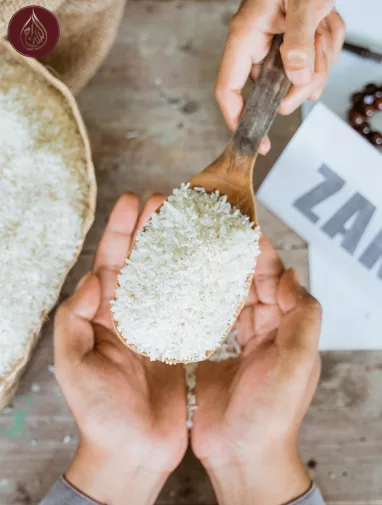
Charity plays a central role in Eid al-Fitr. Zakat al-Fitr, also known as Sadaqatul Fitr, is an obligatory charity that Muslims must give before Eid prayers. It is meant to purify the fast and allow everyone, including the poor, to celebrate Eid.
As-Siraj, a charitable organization, plays a vital role in facilitating Zakat al-Fitr donations. The organization ensures that donations reach those in need, helping them experience the joy of Eid. Through their work, As-Siraj provides food, shelter, and financial aid to those who may otherwise go without.
Frequently Asked Questions (FAQs)
- What is Eid al-Fitr?
Eid al-Fitr is the Islamic festival that marks the end of Ramadan, a month of fasting. It is a day of celebration, gratitude, and giving, observed by Muslims worldwide. - What does “Fitr” mean in Eid al-Fitr?
“Fitr” refers to breaking the fast after Ramadan and symbolizes purification. It also represents spiritual renewal and the joy of celebrating the end of a month of devotion. - When is Eid al-Fitr in 2026?
Eid al-Fitr in 2026 will be observed on the evening of April 20. However, the exact date may vary depending on the moon sighting in different regions. - How many days does Eid al-Fitr last in 2026?
Eid al-Fitr generally lasts for two days. The first day marks the main celebrations, while the second day continues with family gatherings and charitable acts. - What is Zakat al-Fitr?
Zakat al-Fitr is a form of charity given before the Eid prayer. It is mandatory for Muslims to purify their fast and ensure that those in need can join in the celebrations.
Conclusion: Embrace the Spirit of Eid al-Fitr in 2026
Eid al-Fitr 2026 offers an opportunity to reflect on the blessings of Ramadan and the importance of spiritual renewal. It is a time for Muslims to come together in worship, joy, and charity. The meaning of Fitr is about more than just breaking the fast; it is about renewal, purification, and giving back to the community. As-Siraj continues to support the less fortunate during this blessed time, ensuring that Eid remains a time of joy for all. Embrace the spirit of Eid by connecting with loved ones, reflecting on your spiritual growth, and giving to those in need.