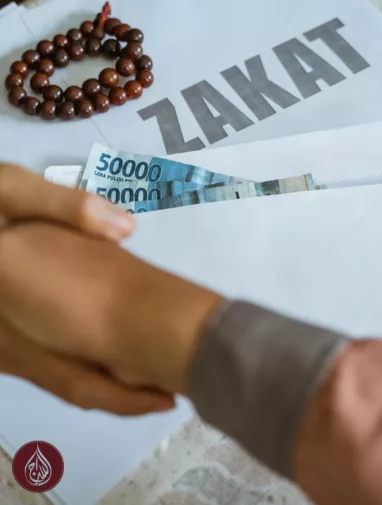
Fitrana, also known as Zakat al Fitr, is an essential act of charity in Islam, and it holds a significant place during Ramadan. In 2026, it’s more important than ever to ensure that Fitrana is paid on time, not only as an act of charity but also as a spiritual purification. For Muslims, it marks the end of Ramadan and serves as a way to cleanse the fast. Here, we’ll explore everything you need to know about Zakat al Fitr and Fitrana, how much it is, and how to contribute through organizations like As-Siraj.
What is Zakat al Fitr (Fitrana)?
Zakat al Fitr, also known as Fitrana, is a form of charity that is paid by Muslims at the end of Ramadan. It is obligatory for every Muslim who possesses the financial means to give it. This charity is different from Zakat al Mal (annual wealth tax), which is another important pillar of Islam. Fitrana helps to purify a person’s fast and ensures that those who are less fortunate can also celebrate Eid al-Fitr.
The meaning of Fitrana is deeply connected with the concept of charity in Islam, and it is meant to help those who are unable to provide for themselves during Eid. It is obligatory for the head of the family to pay Fitrana on behalf of dependents, including children. This ensures that the poor and needy are included in the celebrations of Eid.
The Importance of Zakat al Fitr in Islam
The significance of Zakat al Fitr in Islam cannot be overstated. It plays a crucial role in purifying a person’s fast. Zakat is not only an obligatory act but also an expression of compassion and solidarity with the less fortunate. By giving Fitrana, Muslims ensure that they have fulfilled an important part of their faith while helping to provide for those in need.
Zakat serves as a reminder of the essential nature of charity in Islam. The Prophet Muhammad (PBUH) made it clear that Zakat al Fitr should be given before the Eid al-Fitr prayer, which is why it is vital to make sure it is paid on time. Its role is to purify the fasting person from any triviality or errors during Ramadan, while helping to ease the financial burden on the less privileged during Eid.
Zakat vs Fitrana: Key Differences Explained
Zakat and Fitrana are two different types of charity in Islam. While both involve helping the poor, they serve different purposes. Zakat, one of the five pillars of Islam, is an annual obligation based on a person’s wealth. It is calculated as 2.5% of a person’s total wealth, which includes savings, investments, and other assets. On the other hand, Fitrana is a fixed amount given specifically during Ramadan, designed to help the poor during the Eid celebrations.
The key difference between the two is that Fitrana is mandatory for every eligible Muslim, regardless of their wealth, and is given before Eid al-Fitr. Zakat, however, is based on the individual’s financial situation and is given at any time during the year, although it is most commonly given during Ramadan.
How Much is Fitrana (Zakat al Fitr) Per Person in 2026?
In 2026, the amount of Fitrana is based on the cost of staple food items such as wheat, dates, barley, or raisins. The amount may vary slightly depending on the country and local food prices. Generally, the Zakat al Fitr amount is between £5 to £10 per person in the UK.
It is important to note that Fitrana is fixed, unlike Zakat, which is a percentage of wealth. Therefore, you should ensure that you calculate the correct amount based on your family size. As-Siraj provides an easy-to-use calculator to help donors determine the exact amount of Fitrana required in 2026.
Fitrana Calculator: How to Calculate Your Contribution
To calculate your Fitrana contribution, you can use online Fitrana calculators provided by platforms like As-Siraj. These calculators take into account your family size and local food prices. For example, if a household has five members, the total Fitrana to be paid would be £25 to £50. This calculator makes it simple and efficient to ensure you are donating the correct amount.
Additionally, it’s important to remember that Fitrana can be paid online, which saves time and ensures that your Zakat al Fitr reaches those in need on time. Many Muslim charity organizations in the UK, including As-Siraj, provide tools to simplify this process.
Who Is Obligated to Pay Fitrana (Zakat al Fitr)?
Fitrana is obligatory for every Muslim who possesses the means to do so. The head of the household is responsible for paying on behalf of their dependents, including children. It is important to note that even if a person is not wealthy but has the basic means to support themselves, they must still give Fitrana.
Fitrana is not obligatory for those who do not have the means to give it. This includes people who are living in poverty or financial hardship. The goal is to ensure that the act of charity does not cause any undue financial strain on the giver, while still benefiting the needy.
When to Pay Fitrana: Deadline for 2026
The deadline to pay Fitrana in 2026 is before the Eid al-Fitr prayer. It is essential to ensure that your Zakat al Fitr is paid on time, as delaying it beyond this point would reduce its intended benefits for the poor. Most Muslim charities in the UK, like As-Siraj, will provide reminders about the last dates for payment so that it can be distributed before Eid.
The timing of the payment is crucial. If Fitrana is not paid before Eid starts, the charity may not be able to distribute it on time to those who need it most, especially in the case of food distribution during Eid celebrations.
Who Can Receive Fitrana? Who Is Eligible for Zakat?
The recipients of Fitrana are typically the poor, needy, and marginalized members of society. This includes those who may not be able to afford the necessary food to celebrate Eid al-Fitr. Zakat and Fitrana are both designed to ease financial hardship, and their recipients can include orphans, the elderly, and those struggling with debt.
It is important to know that the eligibility for receiving Fitrana or Zakat depends on the individual’s financial need. As-Siraj ensures that donations are distributed to eligible recipients based on their needs, and the organization adheres to strict guidelines to ensure fairness and transparency.
Understanding Sadaqatul Fitr: How It Complements Zakat al Fitr
Sadaqatul Fitr is another form of charity that complements Zakat al Fitr. While Zakat al Fitr is obligatory, Sadaqatul Fitr is a voluntary form of charity. Sadaqatul Fitr can be given at any time during the year, not just during Ramadan. It’s a way for Muslims to voluntarily contribute to the well-being of others in their community.
Both types of charity help alleviate suffering, but the key difference is that Sadaqatul Fitr is not required, whereas Zakat al Fitr is. By giving both Zakat and Sadaqat, a Muslim fulfills their obligation and earns reward in both this life and the next.
The Role of Zakat in Islamic Charity Organizations
Zakat plays a vital role in supporting the work of Islamic charity organizations. As-Siraj, for instance, relies on donations like Zakat to fund essential programs, such as providing food, healthcare, and education for those in need. These charities help to support communities during Ramadan and throughout the year, ensuring the most vulnerable receive the aid they need.
The Zakat pillar in Islam is a key element in establishing social justice. Islamic charities use Zakat to fund projects that improve the quality of life for the needy. By donating Zakat, you help support the ongoing work of these organizations, and in turn, ensure a more just society.
Best Muslim Charity Organizations in the UK: Supporting Those in Need
In the UK, there are many Muslim charity organizations that rely on Zakat and Sadaqah donations. As-Siraj is one of the leading organizations dedicated to helping those in need. Other top-rated charities include Islamic Relief UK, Muslim Aid, and The Zakat Foundation of America. These organizations offer a wide range of services, from providing food and shelter to running educational programs and emergency relief initiatives.
By donating to these charities, you not only fulfill your religious duty but also help build a stronger, more compassionate society. Zakat plays a vital role in funding these initiatives, and it is essential to choose reputable organizations that are transparent and trustworthy.
Sadaqah: Voluntary Charity and Its Significance in Islam
Sadaqah is a form of voluntary charity that can be given at any time of the year. Unlike Zakat, which is obligatory, Sadaqah allows Muslims to give freely, above and beyond their required contributions. Sadaqah can take many forms, from monetary donations to offering one’s time and effort to help others.
Sadaqah is considered an act of love and care for the community. Muslims are encouraged to give as much as they can, as it has many rewards in both this life and the next.
Online Sadaqah Donations: How to Contribute to Islamic Charities
In today’s digital age, paying Sadaqah online has become a convenient way for Muslims to contribute to Islamic charity organizations. Platforms like As-Siraj allow donors to give Sadaqah online quickly and securely. Online donations have made it easier for Muslims to contribute to their religious duties without needing to leave their homes, especially during Ramadan.
Many Muslim charity organizations provide the option to donate Sadaqah and Zakat online, ensuring that donations are processed efficiently and are delivered to those in need on time.
FAQs about zakat al fitr
What are the rules for Zakat al-Fitr?
Zakat al-Fitr must be paid before the Eid al-Fitr prayer, and it is obligatory for every Muslim who possesses the means. It is intended to purify the fast and help those in need, and you can easily pay through trusted organizations like As-Siraj Charity.
How much is Zakat Ul Fitr per person in the UK?
In the UK, Zakat al-Fitr typically ranges from £5 to £10 per person, depending on the local cost of staple food items. For an accurate calculation, you can use the As-Siraj Charity calculator to ensure the right contribution.
How much is Zakat al-Fitr?
The amount of Zakat al-Fitr is usually based on the price of staple food such as wheat, dates, or barley. In 2026, the amount is generally £5 to £10 per person, and you can contribute easily through platforms like As-Siraj Charity.
Is Zakat al-Fitr compulsory?
Yes, Zakat al-Fitr is compulsory for every Muslim who can afford it. It must be paid to purify the fast and help the less fortunate, and As-Siraj Charity provides a reliable way to fulfill this obligation.
Who pays Zakat al-Fitr, husband or wife?
The head of the household, typically the husband, is responsible for paying Zakat al-Fitr on behalf of his wife and dependents. However, each adult Muslim is responsible for their own Zakat al-Fitr, and As-Siraj Charity offers an easy online donation process.
Conclusion
The act of giving Fitrana (Zakat al Fitr) in 2026 is not only a fulfillment of a religious obligation but also a means of helping others. Through organizations like As-Siraj, Muslims in the UK can easily pay their Zakat and Sadaqah, ensuring that their donations go to those who need it most. By understanding the significance of Fitrana, and paying it promptly, you contribute to a just and compassionate society, especially during Ramadan and Eid al-Fitr.