Charity sits at the heart of Islam. It is more than giving money. It is compassion in action. The best form of charity in Islam helps people with sincerity, dignity, and mercy. Muslims across the UK continue to support families through Islamic charity, emergency aid, education projects, and food programmes because Islam teaches believers to care deeply for society.
The beauty of charity in Islam is that every good deed matters. A smile matters. A meal matters. A small donation matters. Whether you give Sadaqah, fulfil your Zakat, or support Sadaqah Jariyah, your kindness can change lives. Through As-Siraj charity, Muslims can support meaningful causes while earning the rewards of charity in Islam through honest and impactful giving.
What Is the Best Form of Charity in Islam?
The best charity in Islam is the charity that reaches people during hardship and removes pain from their lives. Islam teaches that helping someone when they are hungry, homeless, sick, or struggling carries immense value. The best form of charity in Islam also depends on sincerity. A small act done quietly for Allah can carry greater reward than a large public donation. This is why Islamic giving focuses on both action and intention.
Different situations require different forms of support. Sometimes feeding the hungry matters most. At other times, giving water charity, supporting medical treatment, or helping families with rent becomes urgent. Many scholars explain that the best charity is the one most beneficial to people. Through As-Siraj charity, Muslims in the UK can support poverty relief, community support, and humanitarian aid in ways that create real change.
Why Charity Holds a Special Place in Islam
Islam places huge importance on caring for people. The Qur’an repeatedly encourages Muslims to support the weak, protect the vulnerable, and share blessings with others. Charity in Islam is not only about wealth. It also includes mercy, kindness, and social responsibility. This spiritual connection explains why Muslim charity remains central to Islamic life across generations.
Giving also protects the heart from greed and selfishness. Many Muslims see charity as a way of purifying wealth and seeking closeness to Allah. The Prophet Muhammad ﷺ taught that generosity brings mercy and peace into society. When Muslims support helping needy people, supporting orphans, and widow support, they strengthen families and communities while spreading hope during difficult times.
Sadaqah, Zakat, and Sadaqah Jariyah: What Is the Difference?
Sadaqah is a form of voluntary charity given freely to help others and please Allah. It can include money, food, clothing, advice, or even kind behaviour. In Islam, small deeds carry enormous value when done sincerely. A person who offers food donation, supports a neighbour, or helps someone quietly performs a beautiful act of Islamic donation. Many Muslims choose to give Sadaqah online because it allows quick and secure support for urgent causes.
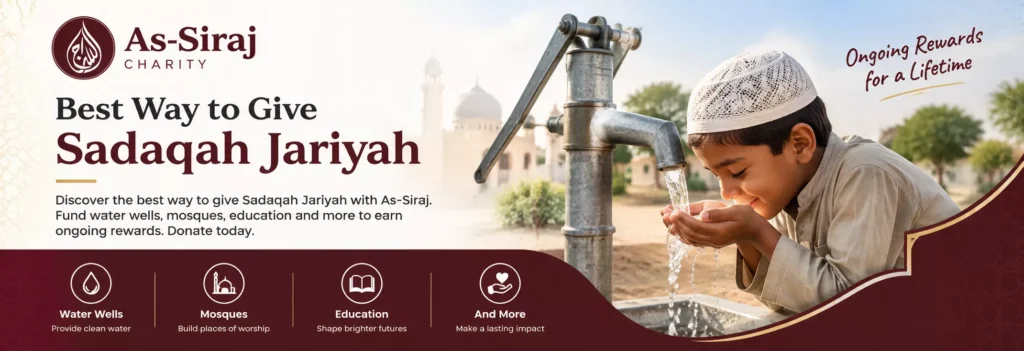
Zakat is different because it is an obligatory charity required from eligible Muslims who meet the Nisab threshold. It purifies wealth while helping people facing poverty and hardship. Sadaqah Jariyah, however, is an ongoing charity that continues rewarding a person even after death. Water wells, schools, mosques, and Waqf projects are common examples. These are among the most powerful types of charity in Islam because they benefit people for many years.
| Type of Charity | Meaning | Example |
| Sadaqah | Voluntary giving | Food, clothes, donations |
| Zakat | Obligatory charity | 2.5% yearly wealth payment |
| Sadaqah Jariyah | Ongoing reward charity | Wells, schools, mosques |
| Waqf | Long-term endowment | Land or building for public benefit |
The Most Rewarding Types of Charity in Islam
Some forms of charity bring immediate relief while others create long-term improvement. Islam values both. Emergency support such as feeding the hungry, shelter aid, and medical assistance protects people during crisis situations. In many parts of the world, families struggle daily with rising food prices, unsafe water, and displacement. Supporting these causes through Islamic charity can save lives and restore dignity.
Long-term projects often carry lasting impact because they continue helping people for years. This includes schools, clinics, orphan care, and clean water systems. Many Muslims also support water project donation campaigns because water remains one of the most essential human needs. Through As-Siraj charity, donors can support sustainable projects that combine compassion with meaningful social development.
Giving Food, Water, and Support to Those in Need
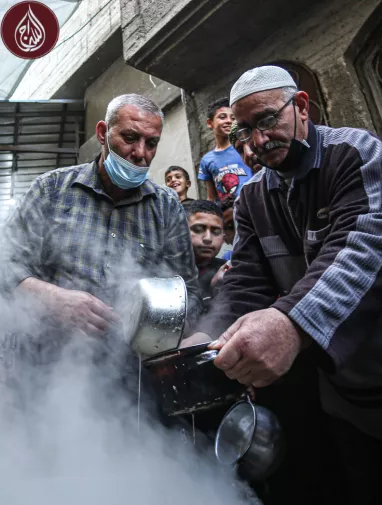
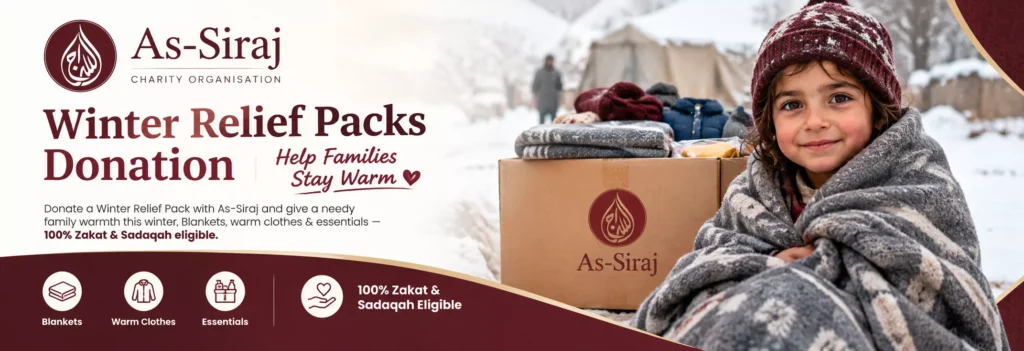
One of the greatest acts in Islam is feeding the hungry. Hunger damages health, weakens families, and affects children deeply. Islam encourages Muslims to care for struggling people with kindness and urgency. During winter, Ramadan, and economic hardship, many UK Muslim families increase their donations because they understand the pain of food insecurity and rising living costs.
Another deeply rewarding act is giving water charity. Clean water protects health, supports farming, improves hygiene, and helps entire communities survive. Across many regions, women and children walk long distances just to collect unsafe water. Supporting wells and water systems through Islamic giving creates lasting impact. This is why many Muslims see water projects as one of the best forms of charity in Islam.
Helping Family, Relatives, Travellers, and the Vulnerable
Islam teaches Muslims to begin with people closest to them. Supporting relatives in hardship combines charity with maintaining family ties. This makes family charity and charity to relatives especially rewarding. Helping parents, siblings, widows, elderly relatives, or struggling cousins can strengthen emotional bonds while reducing financial pressure inside families.
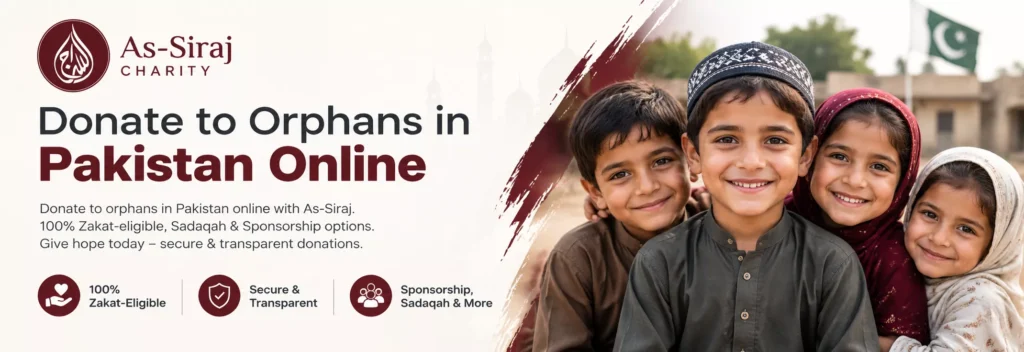
Islam also encourages support for travellers, refugees, orphans, and vulnerable groups. Many people lose stability because of war, illness, debt, or sudden emergencies. Through orphan sponsorship, widow support, and emergency aid, Muslims can restore dignity to families facing hardship. The spirit of Muslim charity grows strongest when communities care for forgotten people with compassion and respect.
Sadaqah Jariyah: Ongoing Charity That Continues After Death
Sadaqah Jariyah is one of the most loved forms of ongoing charity because its rewards continue long after a person passes away. A water well can help thousands of people. A school can educate generations of children. A mosque can support worshippers for decades. This lasting benefit explains why many Muslims invest in projects that continue serving humanity.
Many scholars connect Waqf with long-term charitable development because it creates permanent benefit for society. Hospitals, educational centres, shelters, and water systems have historically been supported through charitable endowments. Through As-Siraj charity, donors can support sustainable Islamic projects that create ongoing reward while improving lives in vulnerable communities.
The Rewards and Spiritual Benefits of Giving Charity
The rewards of charity in Islam go far beyond financial giving. Charity builds gratitude, humility, and empathy. Muslims believe generosity invites mercy and increases spiritual peace. The Prophet Muhammad ﷺ taught that charity does not decrease wealth. Instead, it increases blessings in wealth and strengthens trust in Allah during difficult times.
Many believers also see charity as a path toward forgiveness through charity and emotional healing. Helping others can soften the heart and reduce attachment to material things. Whether someone chooses secret charity, supports acts of kindness in Islam, or contributes toward humanitarian aid, every sincere effort carries spiritual weight and lasting meaning.
The Etiquette of Giving Charity in Islam
Islam teaches Muslims to give with respect and sincerity. Donations should never humiliate people or make them feel small. True charity protects dignity and avoids showing off. Many scholars describe secret charity as especially beautiful because it focuses purely on pleasing Allah rather than gaining attention from others.
Muslims are also encouraged to donate from lawful earnings and maintain honesty in all financial matters. Giving for Allah means helping people with clean intention and genuine care. Kind words matter too. A respectful conversation can sometimes comfort a struggling person more deeply than money alone. This gentle approach reflects the true beauty of Islamic charity.
Give Charity Through As-Siraj and Support Meaningful Causes
Today, many Muslims prefer trusted organisations that deliver transparent and impactful support. As-Siraj charity helps donors support urgent and sustainable causes through trusted charitable programmes. Whether you want to donate Zakat, support emergency appeals, provide clean water, or sponsor vulnerable children, meaningful support can transform lives.
The need for compassionate giving continues to grow across the world. Families face hunger, displacement, economic hardship, and rising living costs. By choosing to give Sadaqah online, support Islamic donation projects, or contribute toward Ramadan charity, you become part of a wider mission of mercy and social care. The best form of charity in Islam is the one that reaches people sincerely and changes lives with compassion.
FAQs
What is the best form of charity in Islam?
The best form of charity in Islam is the one given sincerely for Allah and used where people need it most. This can include food, water, Zakat, Sadaqah, or Sadaqah Jariyah.
What is the difference between Sadaqah and Zakat?
Zakat is an obligatory charity for eligible Muslims who meet the Nisab amount. Sadaqah is voluntary charity that you can give at any time.
Why is Sadaqah Jariyah so rewarding?
Sadaqah Jariyah keeps benefiting people even after the donor passes away. Examples include water wells, schools, mosques, and long-term community projects.
Can I give charity online through As-Siraj?
Yes, you can give Sadaqah online or donate Zakat through As-Siraj charity. It allows you to support meaningful Islamic charity causes easily and securely.
Is feeding the hungry a good charity in Islam?
Yes, feeding the hungry is one of the most loved acts of charity in Islam. It helps needy people quickly and brings comfort, dignity, and reward.
Conclusion
The best form of charity in Islam is not measured only by money. It is measured by sincerity, compassion, and impact. Every form of Islamic charity, from Sadaqah to Zakat and Sadaqah Jariyah, carries immense spiritual and social value. Even small acts can transform lives when done with honest intention.
Through As-Siraj charity, Muslims in the UK can support meaningful causes that help vulnerable communities with dignity and care. Whether you choose food donation, orphan sponsorship, water projects, or emergency relief, your generosity can become a source of hope, healing, and ongoing reward.