Many UK Muslims ask one honest question before donating: how much does a Muslim give to charity in a way that feels correct, sincere, and useful? Islam gives a clear answer through Zakat, while Sadaqah keeps the door open for extra kindness. Together, they make charity in Islam practical and deeply meaningful.
For most eligible Muslims, Zakat is 2.5% of qualifying wealth once it reaches Nisab and stays there for a lunar year. Sadaqah has no fixed amount. So, when you ask how much does a Muslim give to charity, the real answer depends on your wealth, intention, and type of giving.
How Much Does a Muslim Give to Charity in Islam?
A Muslim gives charity through two main paths: Zakat and Sadaqah. Zakat is obligatory charity in Islam, while Sadaqah is voluntary charity in Islam. This means how much does a Muslim give to charity depends first on whether the donation fulfils a duty or offers extra help.
Zakat is known as the third pillar of Islam, and it usually equals 2.5% of Zakatable wealth. Sadaqah can be any amount, even a small daily gift. Through Islamic giving, Muslims practise giving for the sake of Allah, helping those in need, and purifying wealth.
Why Charity Holds Such a High Place in Islam
Charity is not just a financial act. It is an act of worship, a shield for the heart, and a source of spiritual reward. When Muslims give charity in Islam, they support real people, protect dignity, and build a caring society where Muslim generosity becomes visible.
What Is the Difference Between Zakat and Sadaqah?
Zakat follows clear rules. It has a fixed rate, eligible wealth types, and specific recipient categories. Sadaqah is more flexible. This difference helps answer how much charity should a Muslim give, because Zakat gives the minimum duty while Sadaqah allows personal generosity.
Sadaqah can support food, education, shelter, youth work, or community support. Zakat must follow Zakat rules and proper Zakat distribution. In simple words, Zakat and Sadaqah donations work together: one fulfils a charitable obligation, and the other opens space for extra mercy.
Simple Comparison Between Zakat and Sadaqah
| Type of Giving | Main Meaning | Amount | Common Use |
| Zakat | Required charity | Usually 2.5% | Eligible Zakat recipients |
| Sadaqah | Voluntary charity | Any amount | Wider welfare and relief |
| Sadaqah Jariyah | Ongoing charity | Any amount | Long-term benefit |
How Much Zakat Does a Muslim Have to Give?
If you ask how much Zakat should I pay, the standard answer is 2.5% of your net Zakatable wealth. Islamic Relief UK explains that Zakat is paid when wealth reaches Nisab, and the amount is calculated at 2.5% of eligible wealth after relevant deductions.
So, how much does a Muslim give to charity through Zakat? If your Zakatable wealth is £8,000, your Zakat is £200. If it is £20,000, your Zakat is £500. This makes how much is Zakat in Islam easier to understand for UK donors.
Who Is Eligible to Pay Zakat?
The question who must pay Zakat depends on wealth, not job title. Islamic Relief UK states that an adult Muslim of sound mind pays Zakat when they own wealth above Nisab for one lunar year. Nisab is the minimum threshold that makes Zakat due.
This matters for students, employees, parents, landlords, and business owners. A person with modest income but large savings may owe Zakat. Another person with high income and urgent debt may need careful calculation. That is why how much does a Muslim give to charity needs context.
What Is Nisab?
Nisab is the minimum amount of wealth a Muslim must own before Zakat becomes due. Islamic Relief UK links Nisab to the value of 87.48 grams of gold or 612.36 grams of silver, with market values changing over time.
What Types of Wealth Are Included in Zakat Calculation?
Zakat can include cash, savings, gold, silver, business stock, shares, investments, and money owed to you. Islamic Relief’s Zakat calculator guidance includes assets such as cash, gold, silver, savings, business assets, investments, shares, and deductible liabilities.
This is where UK Muslims often feel unsure. Current accounts, online wallets, gold jewellery, ISAs, and business inventory may all need review. When people search how much do Muslims give to charity, they often need help finding what counts before finding the final amount.
Zakatable Wealth Table for Easy Planning
| Wealth Type | Usually Included? | Simple Note |
| Bank savings | Yes | Include personal savings |
| Cash at home | Yes | Count available cash |
| Gold and silver | Yes | Use current value |
| Shares and investments | Often yes | Check value carefully |
| Business stock | Yes | Include saleable goods |
| Immediate debts | Deductible | Deduct what is due soon |
How Much Sadaqah Should a Muslim Give?
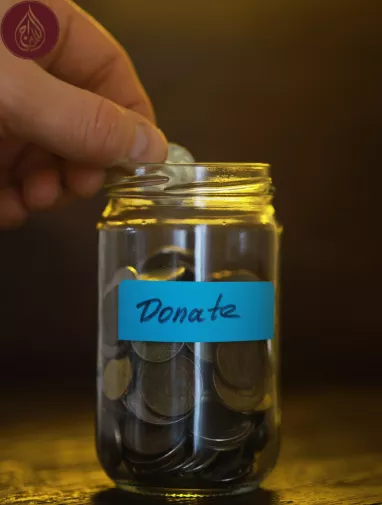
If you ask how much Sadaqah should I give, Islam does not set one fixed number. You can give £1, £10, £100, or more. The best amount is one you give honestly, regularly, and without harming your own basic responsibilities.
The Sadaqah meaning is simple: a voluntary gift made to please Allah and help others. It can support Sadaqah for poor families, Sadaqah for orphans, feeding the poor, and poverty relief. For many people, daily Sadaqah builds a beautiful habit.
How Much Sadaqah to Give in Daily Life
There is no single rule for how much Sadaqah to give. A good method is to choose a small amount after payday, on Fridays, or during Ramadan. Even £2 given often can become a strong Sadaqah donation when it reaches the right people.
When Is the Best Time to Give Charity in Islam?
You can give charity at any time. Still, many Muslims give more during Ramadan, on Fridays, after receiving income, or when they hear about urgent hardship. The best time is often the moment when someone needs help and your heart feels ready.
This is important because how much does a Muslim give to charity is not only about maths. Timing matters too. A fast donation can provide emergency aid, food, warm clothing, rent support, or medicine when a family has nowhere else to turn.
Ramadan, Fridays, and Regular Giving
Ramadan often awakens generosity because fasting reminds you of hunger, patience, and gratitude. Friday giving also has strong emotional value for many Muslims. However, monthly giving can be powerful because charities can plan faith-based giving, youth support, and supporting vulnerable families with steadier confidence.
Who Can Receive Zakat and Islamic Charity?
The question who can receive Zakat has a clear Islamic answer. Zakat goes to specific eligible groups, including the poor, needy, Zakat workers, debtors, stranded travellers, and other recognised categories. National Zakat Foundation explains these eight recipient categories in its Zakat guidance.
Sadaqah can reach wider causes, depending on need and donor intention. It may help families, youth projects, food programmes, or welfare work. Zakat requires stricter handling, while Sadaqah offers broader room for support poor Muslims, help needy families, and wider social care.
How As-Siraj Uses Your Charity Donations in the UK and Beyond
As-Siraj Trust is a registered UK charity with charity number 1194011. The Charity Commission describes its work as helping young people in the UK and abroad through recreational, educational, and social welfare activities that improve life chances and build independence.
As-Siraj’s website also highlights education, healthcare, basic needs provision, and emergency relief. That makes a Muslim charity donation feel connected to real outcomes, such as supporting orphans, supporting vulnerable families, and giving people a better chance during difficult seasons.
Give Your Zakat and Sadaqah Through As-Siraj
If you are still asking how much does a Muslim give to charity, start with Zakat. Calculate your eligible wealth, check Nisab, and pay 2.5% if Zakat is due. Then give Sadaqah according to your ability, especially when you want extra reward and impact.
Through As-Siraj, you can support Zakat and Sadaqah donations with clear intention. Some donors search donate Zakat online UK by mistake, but the goal is the same: to give safely online, choose the right donation type, and help people with dignity.
FAQs
Is Zakat always 2.5%?
Zakat is usually 2.5% of your Zakatable wealth when your wealth reaches the Nisab threshold and stays there for one lunar year. Some assets, such as agricultural produce or certain business cases, may have different rules, so complex cases need proper guidance.
Can I give Sadaqah instead of Zakat?
No, Sadaqah cannot replace Zakat if Zakat is obligatory upon you. Zakat is a required duty, while Sadaqah is an extra voluntary charity you can give at any time.
How often should Muslims give charity?
Muslims pay Zakat once every lunar year when they meet the conditions. Sadaqah can be given daily, weekly, monthly, in Ramadan, or whenever someone wants to help others.
Can I give Zakat to a UK charity?
Yes, you can give Zakat to a UK charity if it distributes Zakat to eligible recipients according to Islamic rules. Always choose a trusted charity that clearly handles Zakat separately and responsibly.
What is the minimum amount of charity in Islam?
There is no fixed minimum amount for Sadaqah in Islam. Even a small donation, given sincerely, can carry great reward and help someone in need.
Does As-Siraj accept Zakat and Sadaqah donations?
Yes, As-Siraj accepts both Zakat and Sadaqah donations to support charitable work in the UK and beyond. You can choose the correct donation type when giving so your intention is clear.
Final Thoughts on How Much Does a Muslim Give to Charity
So, how much does a Muslim give to charity? Zakat is usually 2.5% of qualifying wealth once Nisab applies. Sadaqah can be any amount. One gives structure. The other gives warmth. Together, they protect the giver and uplift the receiver.
When you give through As-Siraj, your donation can support education, welfare, relief, and youth-focused work in the UK and beyond. Give with care, calculate honestly, and remember the reward of Sadaqah, Sadaqah Jariyah, ongoing charity in Islam, and reward in the Hereafter.